TIFFCOM: international co-production, anime's new frontier
Producers from Asia and Europe compare their financing models and explain why more Japanese studios are looking for partners abroad
 Mariana García 30 October 2026
International co-production has become one of the big topics in anime today, and at TIFFCOM it was clear that the industry sees it as its next frontier. At a panel held on Thursday, October 29 in Tokyo, producers from Asia and Europe discussed the challenges, the financing models, and what it takes to get a film made with partners from several countries.
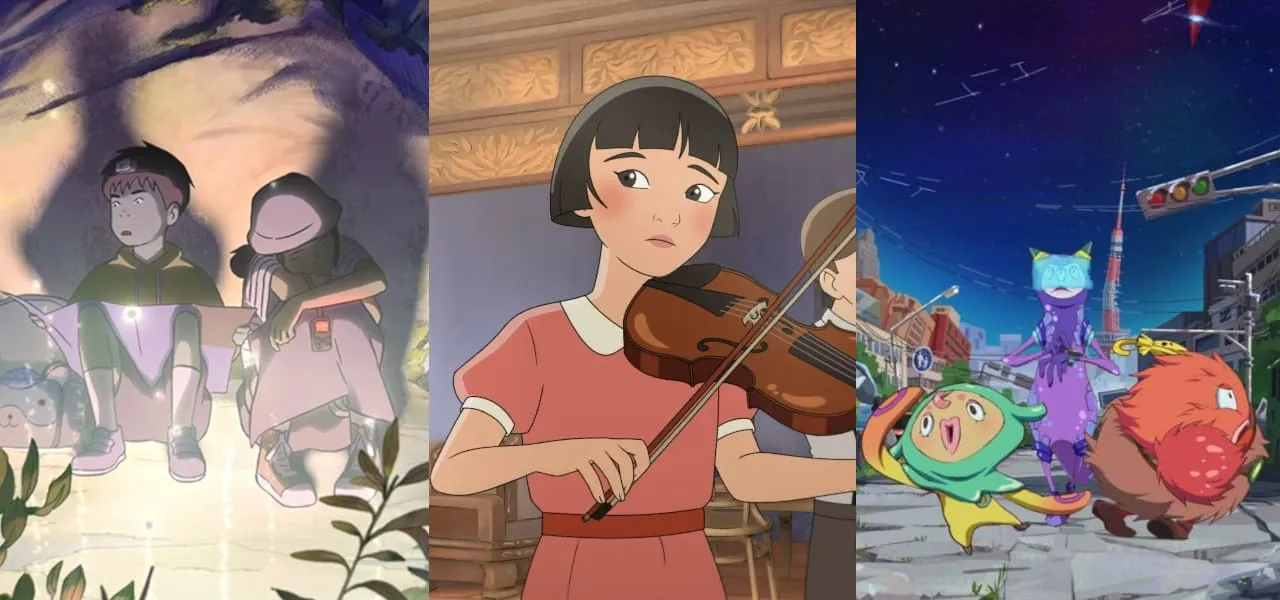
The panel was moderated by Masao Kawano, program manager at Into Global, and featured Ervin Han, co-founder and CEO of Robot Playground Media and co-director of The Violinist, winner of an award at Annecy; Ilan Urroz, CEO of Foliascope; and Taiki Sakurai, CEO of Salamander Inc. and producer with writing credits on Ghost in the Shell: Stand Alone Complex.
Han opened the talk by presenting his studio's new project, The Banquet for Hungry Ghosts, an anthology from which the trailer for one of its stories, Egg Fried Rice, was shown. The production will be mostly Asian with minority European components, and will be split between Singapore, Malaysia, Taiwan, and Ireland. Ireland will handle music and audio post-production as a minority partner.
France touts its financing system
Urroz presented the project Foliascope brought to the Tokyo Gap Financing Market, Back to Tomioka, a film with co-producers in Poland, Hungary, and Belgium, as well as Japanese creatives. The CEO explained that they are already working on the film's marketing, with merchandising that includes a board game designed by Antoine Bauza. Subscription streaming rights have already been sold to Crunchyroll, with whom they are preparing a Japanese version.
The moderator had described the French co-production system as "enviable," and Urroz did not deny it. "We are super lucky in France," he said, and detailed the public aid for development, production, and innovation, as well as a fund for foreign production open to any country in the world. If there is a French co-producer, even with a small share, you can apply for money from the system.
He also highlighted the international tax credit and the talent visa, which allows bringing teams from other countries faster than in the United States. He cited The Inventor as an example, the stop-motion film they made with Jim Capobianco, a Disney and Pixar veteran, which used that tax credit.
Urroz also mentioned the Creative Europe MEDIA program, which gives up to 60,000 euros per co-producer for the development of new feature films, with a maximum of four co-producers. After that, you can apply for an image fund that covers distribution and marketing.
Asia relies on private money
Han laid out the contrast. In Europe, he said, there is a structured financing system within the EU that can cover most of the budget with incentives, grants, and TV pre-sales. In Asia, most of the money is private: government funding reaches at most 20% if you're lucky, and the rest has to be raised with private capital, equity, and family offices.
That difference, he explained, requires a fair amount of mutual understanding when Asia co-produces with Europe. Sakurai offered the Japanese perspective: anime is still viewed through a narrow lens, and that complicates financing when certain expectations are attached to the term. Even so, he found a "high tolerance" when a project fits those expectations.
Sakurai reminded the audience that even the biggest successes are not built overnight. He cited the case of Makoto Shinkai, whom he called a "genius," who needed many opportunities and 14 years of support from his producer to make his way.
Han closed with an idea that sums up the spirit of the panel: the challenge for many Asian producers is getting support from broadcasters, and that's why you have to go abroad. A co-production is not just about finding money, he said, but partners with complementary strengths who believe in the story. Because a project like this cannot be done alone.
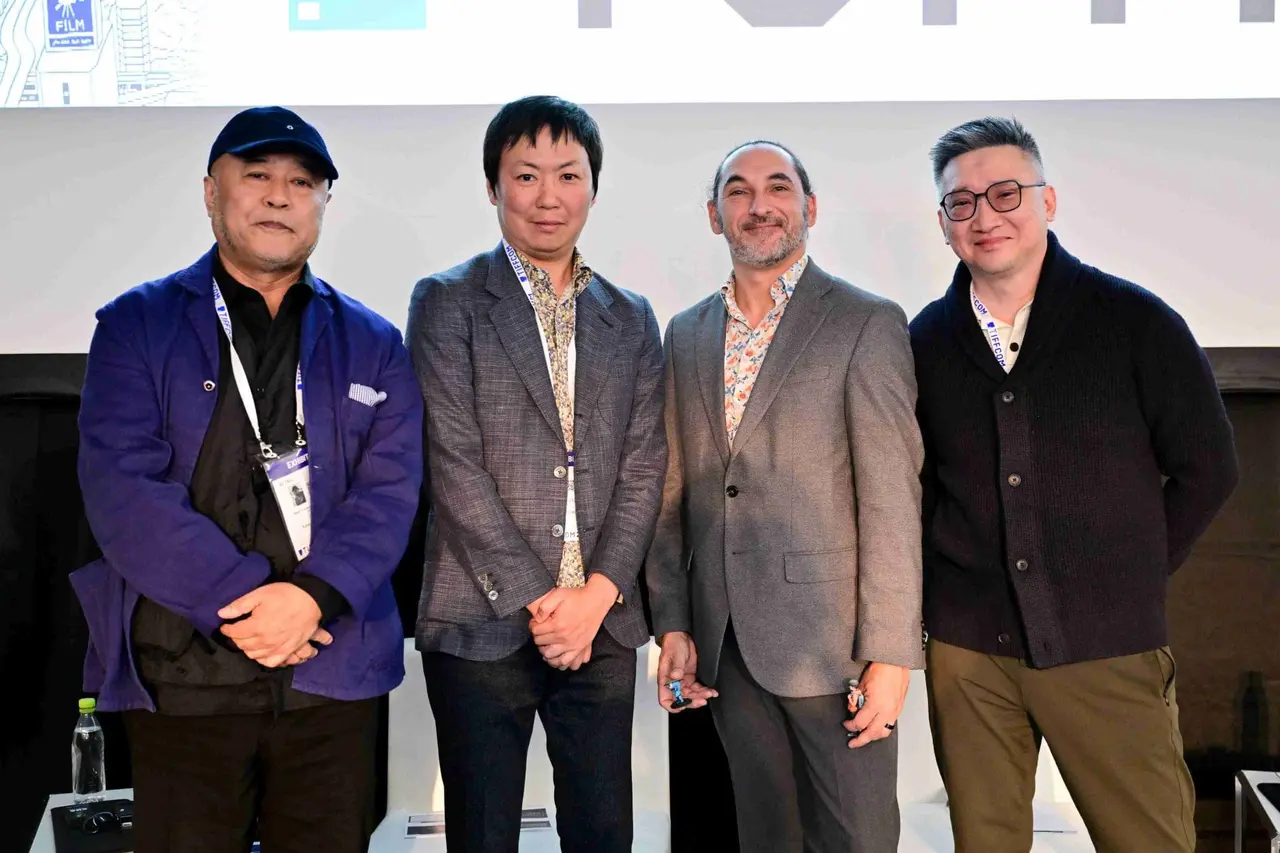 Panel on international anime co-production at TIFFCOM.
The TIFFCOM panel made it clear that the interest in co-production is not just creative. Behind it are financial incentives and the desire of Japanese companies to connect with global audiences. The gap between public support in countries like France and Asian systems is, for now, the main driver of that search.
Titles mentioned

0 comments
Sign in to leave a comment
Tell everyone what you think about this story.
No comments yet. Be the first.