Witch Hat Atelier: How to Translate the Manga's Artwork into Anime
The author, director, and producer explained to Crunchyroll the challenges of adapting the materials, clothing, and magic of the work.
 Staff Donotaku 6 May 2026
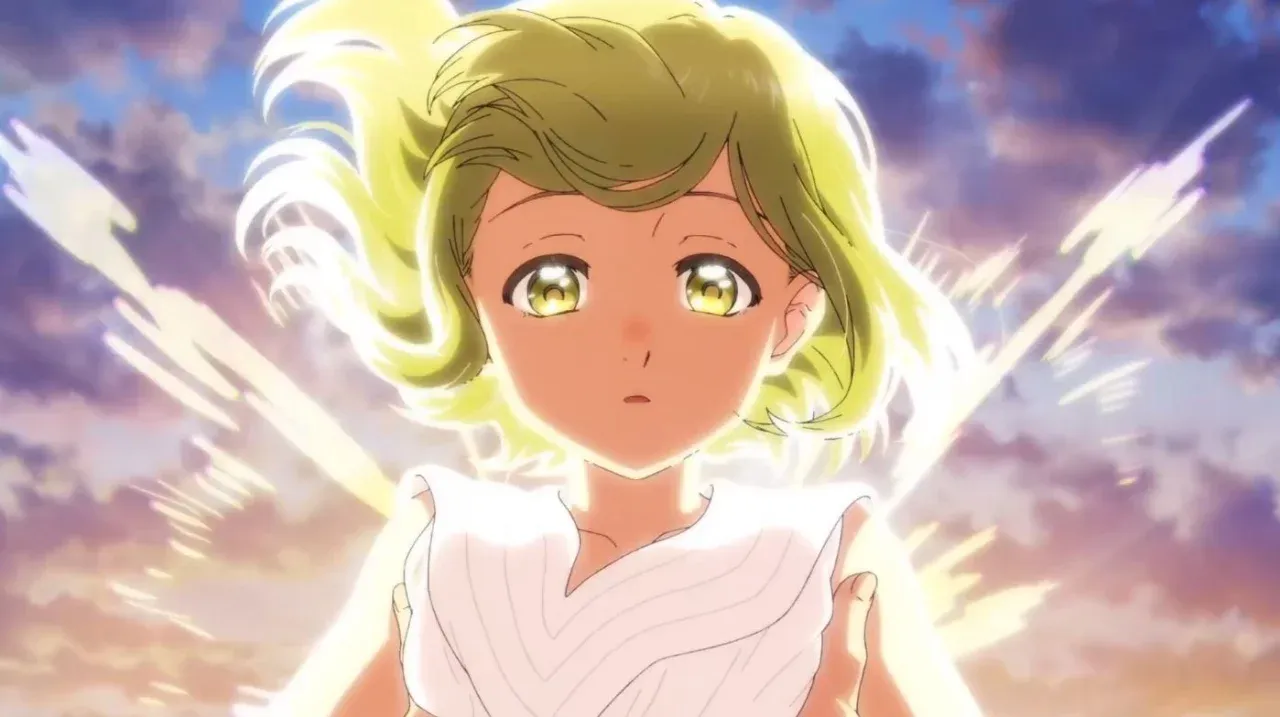 Image from the original Anitsu edition.
Adapting Witch Hat Atelier poses a difficulty that goes beyond reproducing the plot. Kamome Shirahama's manga makes texture and drawing part of its world: magic is learned by observing, tracing, and understanding. Animation needs to preserve that feeling while adding movement, duration, and sound.
What the team explained
In an interview conducted by Crunchyroll during Anime Expo 2024, Shirahama participated alongside director Ayumu Watanabe and BUG FILMS producer Hiroaki Kojima. The author explained her supervision of elements of the world and material matters: what objects are made of and how they should be represented.
A particularly revealing example is the magic circles. In a panel they appear from a chosen perspective; when moving the camera, the anime needs to maintain their spatial coherence. Adapting the manga's hatching was another of the challenges discussed by the team.
Kojima also described the use of three-dimensional models of certain elements as reference and the making of clothing to observe its materials and movements. That does not prove that the entire series uses a specific technique: it explains work tools that help animators represent its world.
Translating an image is not tracing it
The manga decides which instant remains still; the anime decides how long it lasts and how it leads to the next. A highly detailed page can rely on a pause. An animated sequence needs to distribute attention among characters, objects, and background, preventing visual information from hindering the ability to follow the action.
Clothing is a good example of that difference. A drawn fold defines volume; in motion, it also expresses weight, speed, and contact. Physical reference allows those relationships to be studied without requiring every frame to copy a panel.
What to look for when watching it
Pay attention to how the characters handle their tools, to the relationship between their movements and their clothing, and to how a space is revealed when the point of view changes. These are decisions that allow the adaptation to be appreciated without reducing it to counting how many details match the original.
This review removes the claim that work began on a specific date or lasted exactly three and a half years: the cited interview does not allow that chronology to be fully established.
Originally published on Anitsu by Valeria Quispe. Text reviewed and updated for DonOtaku on November 5, 2026; the original publication date is preserved.
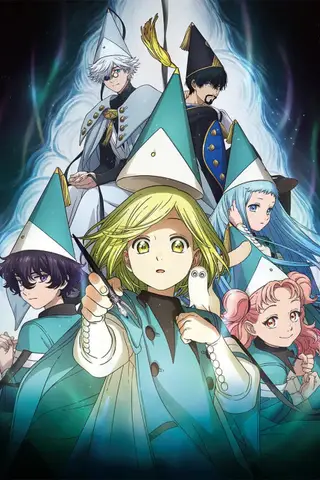
Titles mentioned
0 comments
Sign in to leave a comment
Tell everyone what you think about this story.
No comments yet. Be the first.
Keep reading
Blame!, the manga once thought impossible to adapt, is on Netflix
Laura Martínez · 5 November 2026
Dragon Ball Daima: Mr. Popo disappears from screen in France and Germany
Mariana García · 5 November 2026
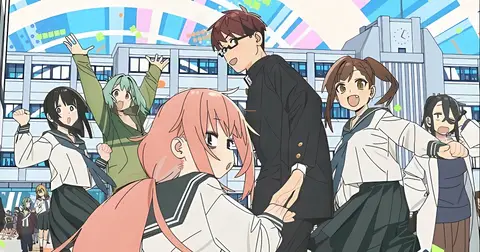
OceanVeil launches English dub of Seitokai ni mo Ana wa Aru!
Javier Fernández · 5 November 2026