Tetsuya Chiba dies at 87: his manga was born from repatriation
The author of Ashita no Joe crossed Manchuria as a child and saw corpses along the way; that memory shaped his work and his rejection of war.
 Juan Castillo 27 October 2026
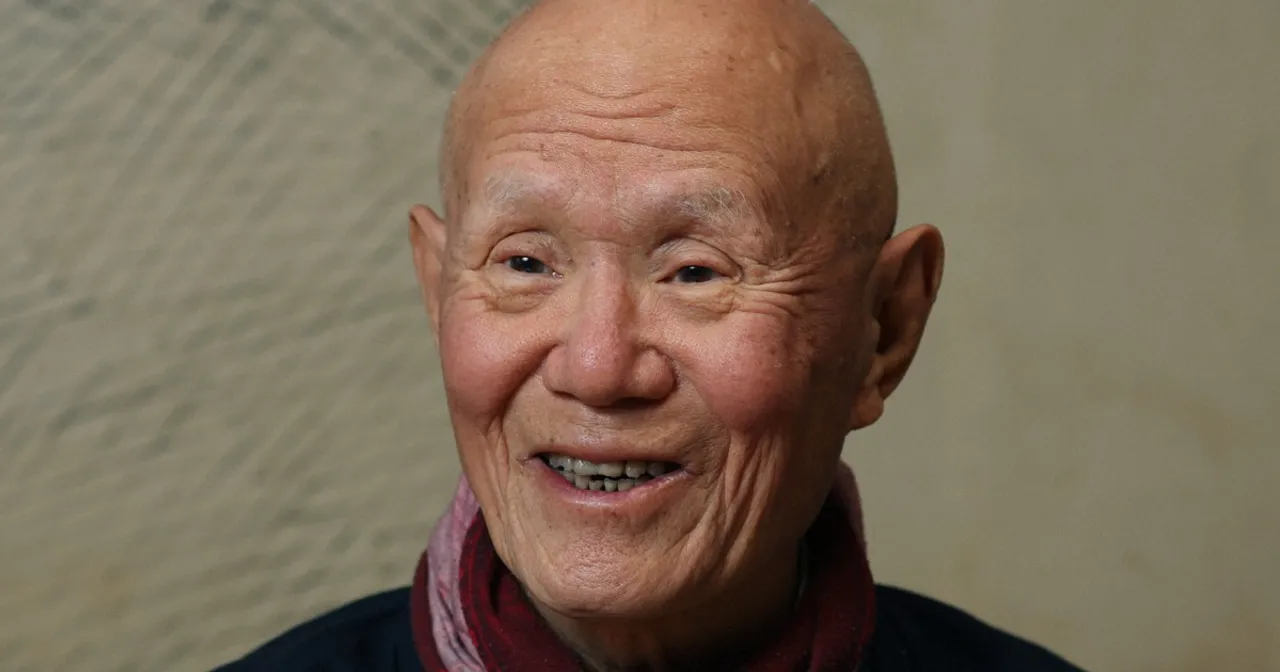
Tetsuya Chiba died on October 22 at the age of 87. The author of Ashita no Joe spent his life drawing violence and its consequences, and not by chance: at six years old he crossed Manchuria in a repatriation that lasted almost a year and left bodies lying on the roads.
Every so often, someone fell from illness or malnutrition. There was no time or strength to dig graves. In an interview given to Mainichi Shimbun in March, which the newspaper recovered after his death, Chiba recalled that people die easily.
Chiba received the news of the end of the war on August 15, 1945 in Mukden, now Shenyang. He was six years old. His family, six people in total, did not reach the port of Hakata until the summer of 1946. They spent the winter hidden on the continent and moved on foot or in freight trains.
When the war ended, around 6.6 million Japanese lived outside the archipelago. Around 6.3 million returned. Chiba's family came back complete because they received help from local Chinese people.
The memory of war on every page
Chiba debuted as a manga artist 70 years ago. His best-known work, Ashita no Joe, is not a war manga, but its pages contain beaten boxers, broken bodies, and a violence that is not celebrated. The author never hid where that perspective came from: from a child who saw strangers die by the side of the road.
In the March interview, Chiba spoke about the present with the same clarity. He said that Japan managed to avoid war in the postwar period, but that the situation is becoming dangerous again. His reasoning was simple: it only takes one side throwing a stone and the other throwing it back for everything to spiral out of control.
"We need to respect each other," he said. And he added that this responsibility belongs not only to politicians, but also to those who draw.
A warning that comes too late
The interview was published at a time of tension between Japan and China, after Prime Minister Sanae Takaichi made statements about Taiwan in November 2025. Chiba did not mention the incident directly, but his message sounded like a warning: a conflict does not need great causes to erupt.
Mainichi has now recovered that conversation. The text is not a conventional obituary, but the testimony of someone who turned a traumatic childhood experience into an ethical stance sustained for decades.
Chiba was one of the last great postwar manga authors. His death leaves a generational void, but also an archive of images about what war does to bodies. Images that do not age.
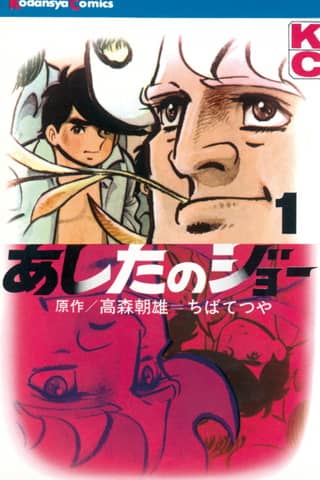
Titles mentioned
0 comments
Sign in to leave a comment
Tell everyone what you think about this story.
No comments yet. Be the first.
Keep reading
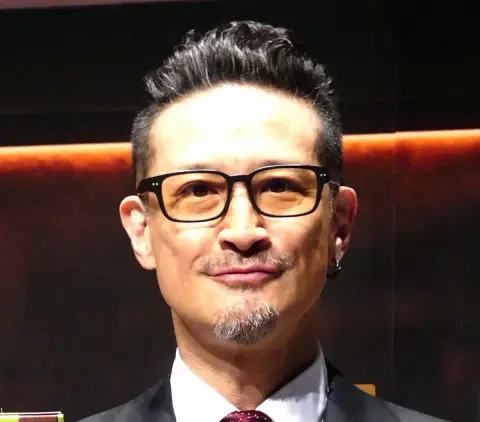
Matsuoka Masahiro reveals the manga he kept in his car into his 40s: Tsurumoku Dokushin Ryō
Laura Martínez · 25 October 2026
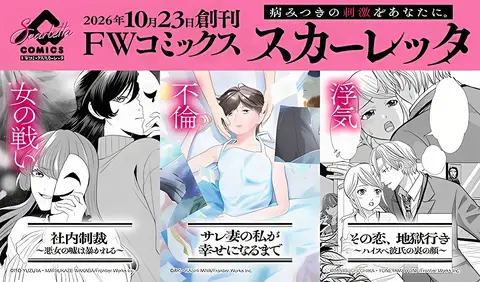
Animate launches FW Comics Scarlatta, its digital josei imprint
Juan Castillo · 24 October 2026
The Apothecary Diaries manga and other Square Enix titles at 50% off on Kindle
Laura Martínez · 24 October 2026