Sekiro: Shadows Die Twice Fails in Its Anime Leap While Resident Evil Triumphs by Not Adapting the Game
The Sekiro animated film crashes with a 2.2 out of 5 on eiga.com, while Resident Evil: Nightfall achieves 95% on Rotten Tomatoes by betting on a new story.
 Laura Martínez 11 October 2026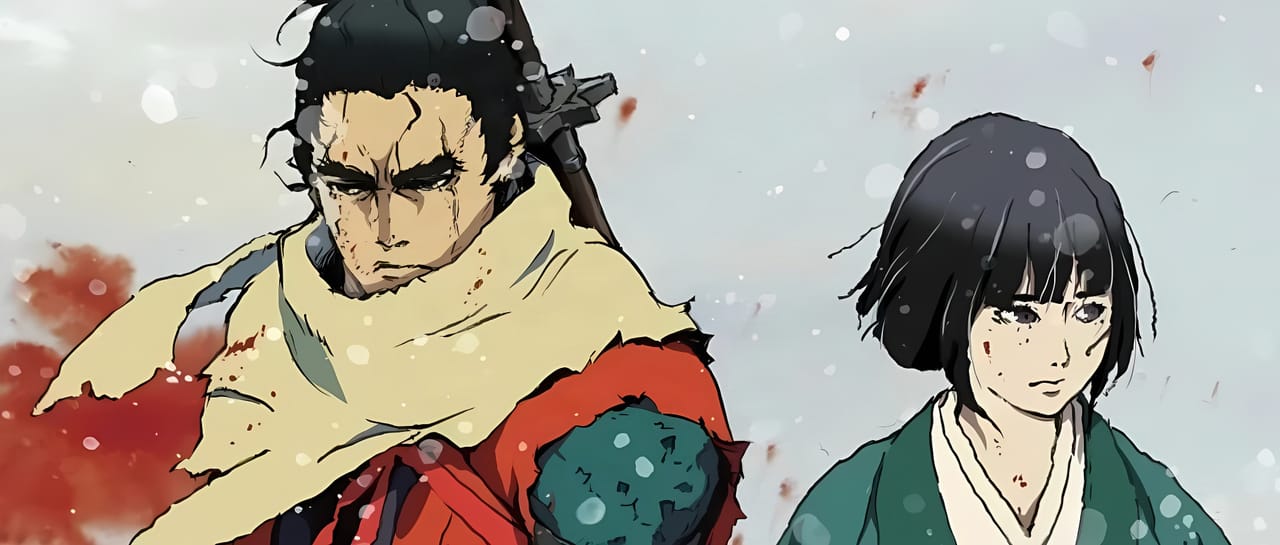
The Sekiro: Shadows Die Twice anime has crashed upon its release in Japan. The film, titled Sekiro: Never Give Up, has barely managed a 2.2 out of 5 on eiga.com, the country's go-to movie portal. Meanwhile, Resident Evil: Nightfall is raking in a 95% positive rating on Rotten Tomatoes and posting the best North American opening in the franchise's history.
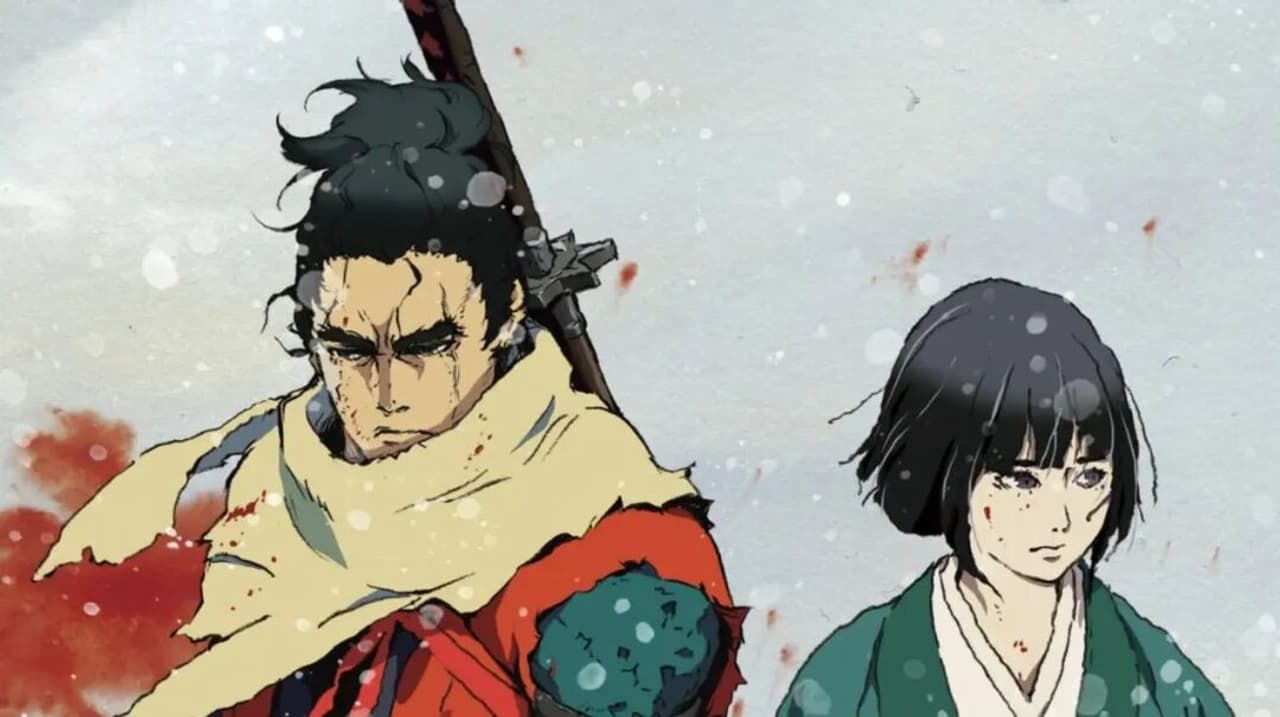 Two characters from the Sekiro anime, with the sword and calm as the main focus.
The two adaptations share a starting point: games with a striking visual identity, well-built worlds, and a clear story. But when it comes to translating the player's experience to the screen, each has taken an opposite path. And the results couldn't be more different.
The anime that wanted to be a samurai drama and forgot what made the game special
The director of Sekiro: Never Give Up, Kenichi Kutsuna, explained in interviews that he didn't want to turn the film into a simple recap of the game. His bet was to focus on the relationship between Wolf and Kuro, the two protagonists, and fill the film with everyday scenes the game doesn't show: quiet conversations, a village festival, or moments making sweets with the neighbors.
The intention was to build an emotional bond between master and servant. The problem is that, to make room for that slice-of-life approach, the film cuts key parts of the original story. The night at the Hirata Estate, the betrayal by the adoptive father, or the fight against Lady Butterfly—which explain why Wolf is willing to take on the entire world for Kuro—vanish from the plot.
The result is a film that wants to be moving without having shown where that emotion comes from. And it also dispatches the game's most iconic bosses in seconds: Gyoubu shows up and falls in a single blow, and other memorable enemies are reduced to a fleeting shot, as if they were a tourist attraction you have to rush past.
 The 2.2-star rating for Sekiro on eiga.com.
Death as a mechanic, not as decoration
The most curious thing is that Kutsuna had actually understood what makes Sekiro essential. In an interview before the premiere, he stated that what led him to accept the project was the game's difficulty and its connection to the theme of death. He knew that dying over and over isn't just a punishment: it's how the player learns, progresses, and understands the story.
But the production company tasked him from the start with a chambara-style samurai film, with references like Akira Kurosawa's Ran. And therein lies the contradiction: the slow, contemplative pacing of classic samurai cinema clashes head-on with a game that constantly pushes you into combat, to fall and get back up.
The film shows Wolf as an unstoppable swordsman, with carefully crafted choreography, but it completely strips away the sense of failure and learning that defines Sekiro. Without that constant death, what's left is a competent but forgettable samurai story.
Resident Evil doesn't adapt the game: it adapts the feeling of playing it
Resident Evil: Nightfall does exactly the opposite. The film sets aside Leon, Claire, and the rest of the classic characters and follows a food delivery driver who gets trapped in Raccoon City on the night of the outbreak. He's a new protagonist, with no prior history, who just wants to survive.
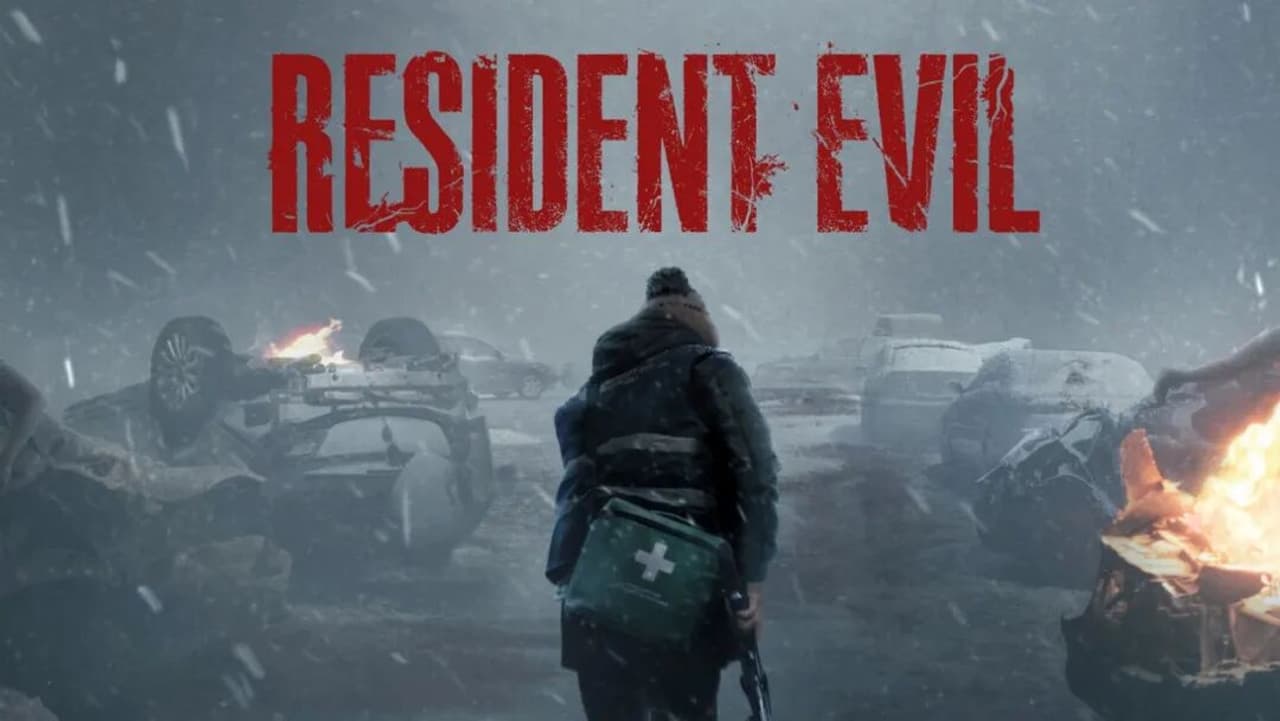 A delivery driver walks among destroyed cars in the film Resident Evil: Nightfall.
That freedom allows the director, Zach Cregger, to avoid explaining already-known plots or forcing iconic scenes into place. Instead, he builds a film that works like a level-by-level run: the protagonist moves from one area to another, scavenges for resources, opens paths, and decides when to spend his scarce bullets.
Cregger, who calls himself a fan of the original game with thousands of hours under his belt, wanted to translate resource management and constant exploration. And he pulls it off: ammo is always tight, every new room can hide a different threat, and the tension never lets up.
In Japan, the promotional campaign avoided highlighting that it was a video game adaptation. Not even the poster showed zombies in an obvious way. But on the back of the flyer, the film was divided into six chapters, as if they were levels. A nod any player would recognize instantly.
The director who came from comedy and understood the rhythm of horror
There's another factor that explains the film's success. Before directing horror, Cregger worked for years in comedy, with sketch shows and sitcoms. And although they may seem like distant genres, both depend on the same thing: rhythm. Knowing when to break an expectation, when to delay a scare, or when to turn tension into a laugh.
That shows in Nightfall, which alternates scares and absurd moments with uncommon ease. Some criticize the film for leaning too close to comedy, but that blend lets it convey a lot in little time and keep the audience constantly on edge.
In the end, the difference between the two adaptations isn't which one respects the source material more. It's which one has managed to identify what made its game unique and translate it into another language. Sekiro: Never Give Up keeps the story but loses the experience. Resident Evil: Nightfall keeps almost none of the story, but delivers exactly what it feels like to play.
Titles mentioned
0 comments
Sign in to leave a comment
Tell everyone what you think about this story.
No comments yet. Be the first.
Keep reading

Super Kaguya Hime surpasses 3.3 billion yen at the box office after its return to theaters
Mariana García · 11 October 2026
Naruto × Ninkū: 4-Episode Crossover Anime Announced with Both Authors Supervising
Juan Castillo · 11 October 2026

The new Keroro Gunsō cast reveals how they built their characters
Javier Fernández · 11 October 2026