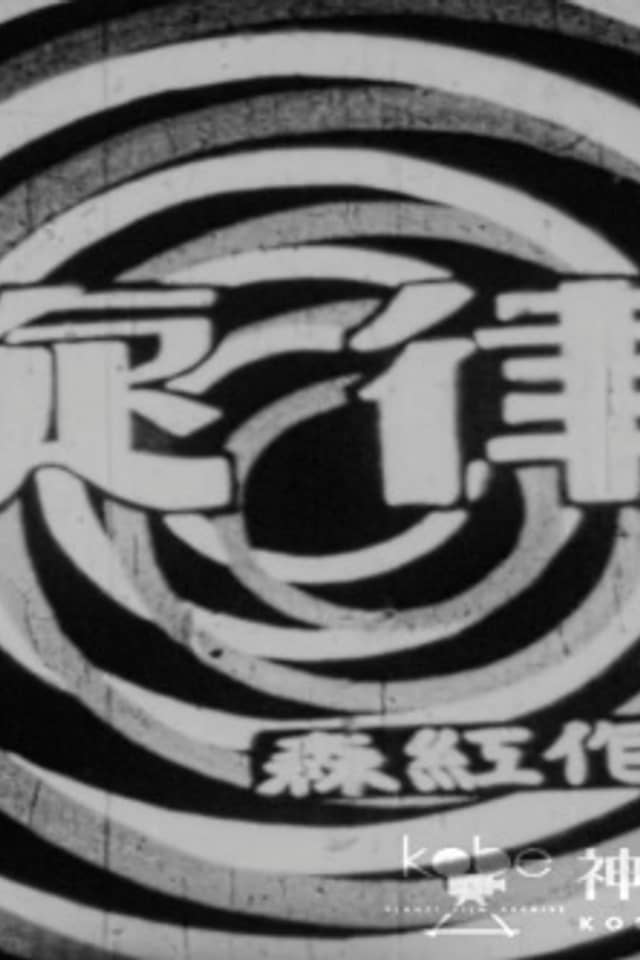
Senritsu
A short experimental film from 1933 presents a minimalist visual experience. Geometric shapes move and transform against a background of sparse vertical stripes. The film is a pure exercise in abstract animation, focusing on the rhythmic interplay of form, movement, and negative space.
The work consists of simple geometric figures—circles, squares, triangles, and lines—that appear, disappear, and change position in a carefully choreographed sequence. The sparse vertical stripes provide a static counterpoint to the dynamic shapes, creating a sense of tension and balance. The animation explores the relationship between foreground and background, motion and stillness, through a series of evolving compositions.
Without narrative or characters, the film relies entirely on visual rhythm and the emotional impact of abstract forms. It is a pioneering example of non-representational animation, demonstrating the artistic potential of the medium beyond storytelling. The piece invites viewers to experience pure visual sensation and the beauty of geometric abstraction in motion.