He gifted a doujinshi to a friend, and it ended up sold as a second-hand item after his death
The post recounting the case became a trending topic on Weibo and reignited the debate about what happens to otaku collections when their owner dies.
 Juan Castillo 28 October 2026
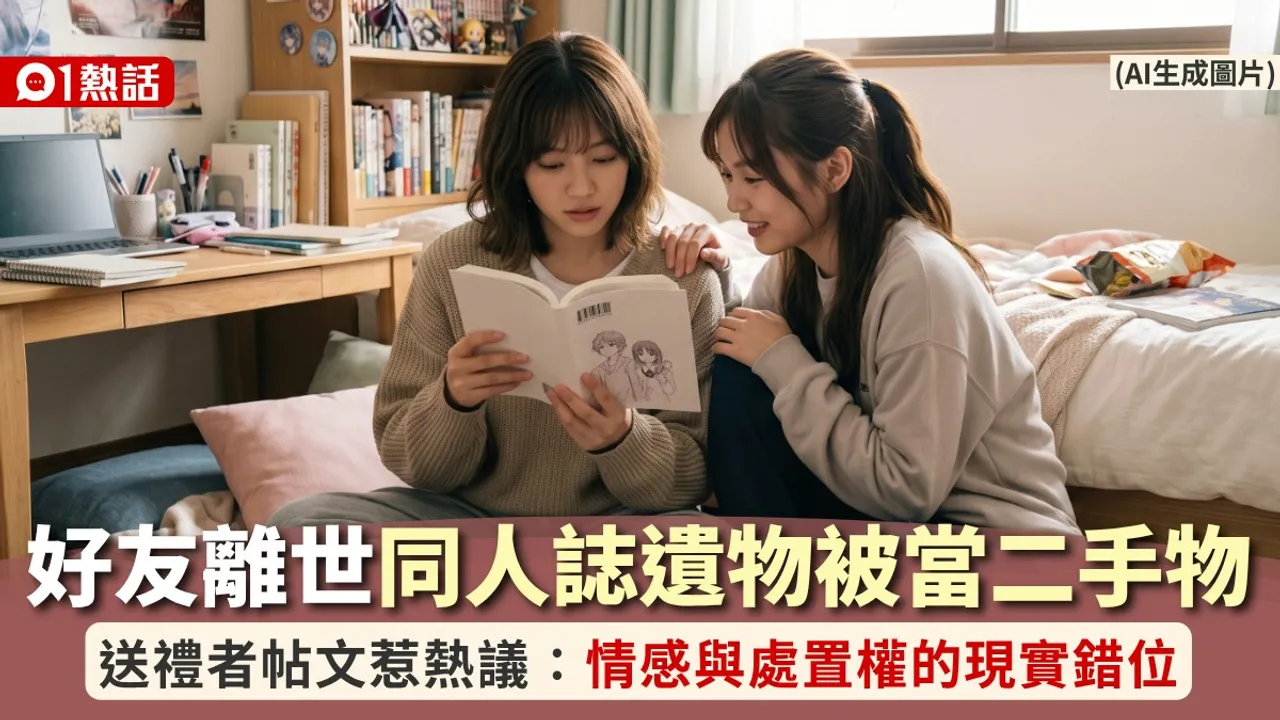
A doujinshi carefully gifted to a friend ended up on a second-hand sales platform after the death of the person who received it. The story was told by the person who gave the gift in a post that became a trending topic on Weibo and sparked a wide debate among netizens.
The case is not a simple anecdote of indifference. It touched a sensitive nerve: the difference between the emotional value an object has for the person who gives it and what it means for those who must empty a house after a death. For the person who published the message, that doujinshi was a gesture loaded with meaning. For the heirs, just another thing taking up space.
Why a doujinshi is not just any object
In the otaku community, doujinshi have a particular status. They are self-published works born from the passion of creators and fans for an original work: anime, video games, or literature. They are usually comics, novels, or art books made independently, unlike what happens with commercial publishers.
The entire process, from commissioning the illustrations to printing, is handled by the creator. Print runs are short and costs high, so sales usually have a non-commercial spirit: it is about sharing the love for a series and finding other fans with the same sensibility. That is why, for the person who gives and for the person who receives, a doujinshi holds a shared memory that cannot be reduced to its price.
The jump to the second-hand market
When a doujinshi leaves that circuit and enters the second-hand market, prices can become unpredictable. Scarce works, from well-known authors, or out of print can sell for thousands of yuan. The value depends on the creator's reputation, the year of publication, and how much information the buyer has.
That logic has already caused friction before. Creators have reported resellers who inflate the prices of limited editions. Even freebies, the material known as muryō, have ended up for sale at high prices. When market value overrides the original purpose of the doujinshi, controversy appears on its own.
What happens to collections when someone dies
The unsettling part of the case is not so much the resale as the scenario it paints: a gift with sentimental weight that becomes merchandise after the death of the person who received it. And it is not an isolated case. Second-hand booksellers frequently receive calls from relatives who need to get rid of a deceased loved one's collections.
For a grieving family, emptying a room is a practical and inevitable task. On the Taiwanese forum PTT, for example, a user said that the relatives of a dead friend, without knowing the value or meaning of what he had, sold about 5,000 manga for almost nothing along with the rest of his belongings. The underlying problem is that those who inherit rarely understand what those objects represented.
Gifting a doujinshi also means transferring the right to decide what is done with it. The person who receives it, and later their heirs, can keep it, throw it away, or sell it. The law does not require the emotional value of the gift to remain intact over time. The unease of the person who gave it is understandable, but it clashes with a simple reality: once given, the object no longer belongs to them.
The post went viral because many people recognized themselves in that distance between what one gives and what time, or the ignorance of others, ends up doing with it. The question left hanging is not legal but personal: what will happen to your collection when you are no longer here to defend it?
0 comments
Sign in to leave a comment
Tell everyone what you think about this story.
No comments yet. Be the first.
Keep reading
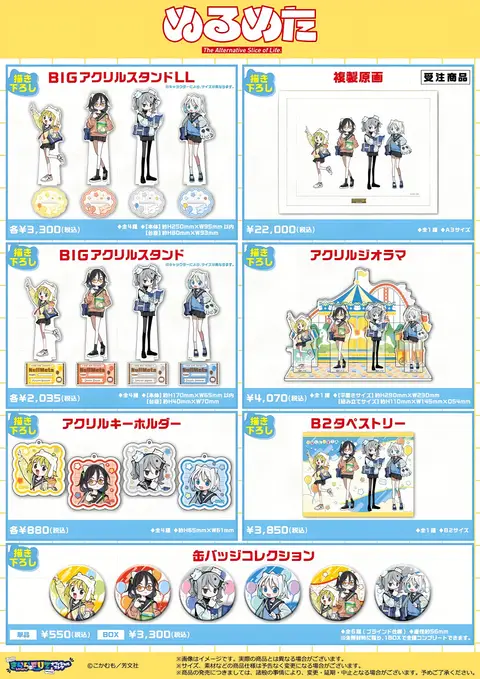
Nurumeta pop-up shop opens in Shinjuku on November 17
Juan Castillo · 29 October 2026
Gianluca Piredda presents his new Dago and Sherlock Holmes comics at Lucca Comics
Mariana García · 28 October 2026
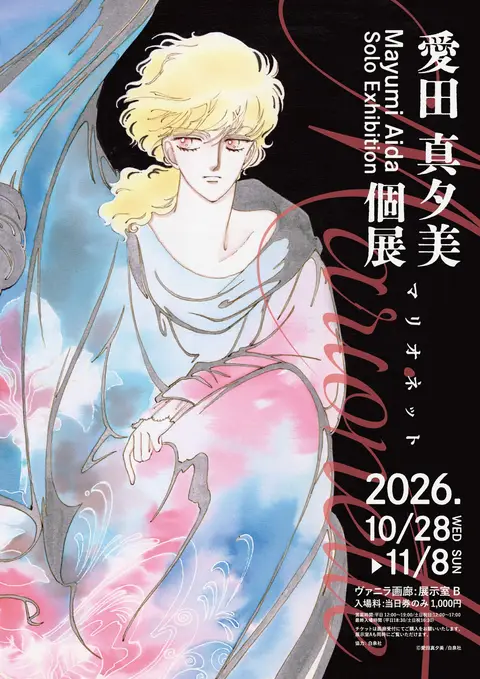
First original art exhibition for Marionette, Ai Mayumi's gothic classic, opens
Mariana García · 28 October 2026