Japan and China, a new era of collaboration in the anime industry
Ten cultural agreements boost the co-production of series and films, opening economic opportunities and improving working conditions
 Javier Fernández 25 January 2025
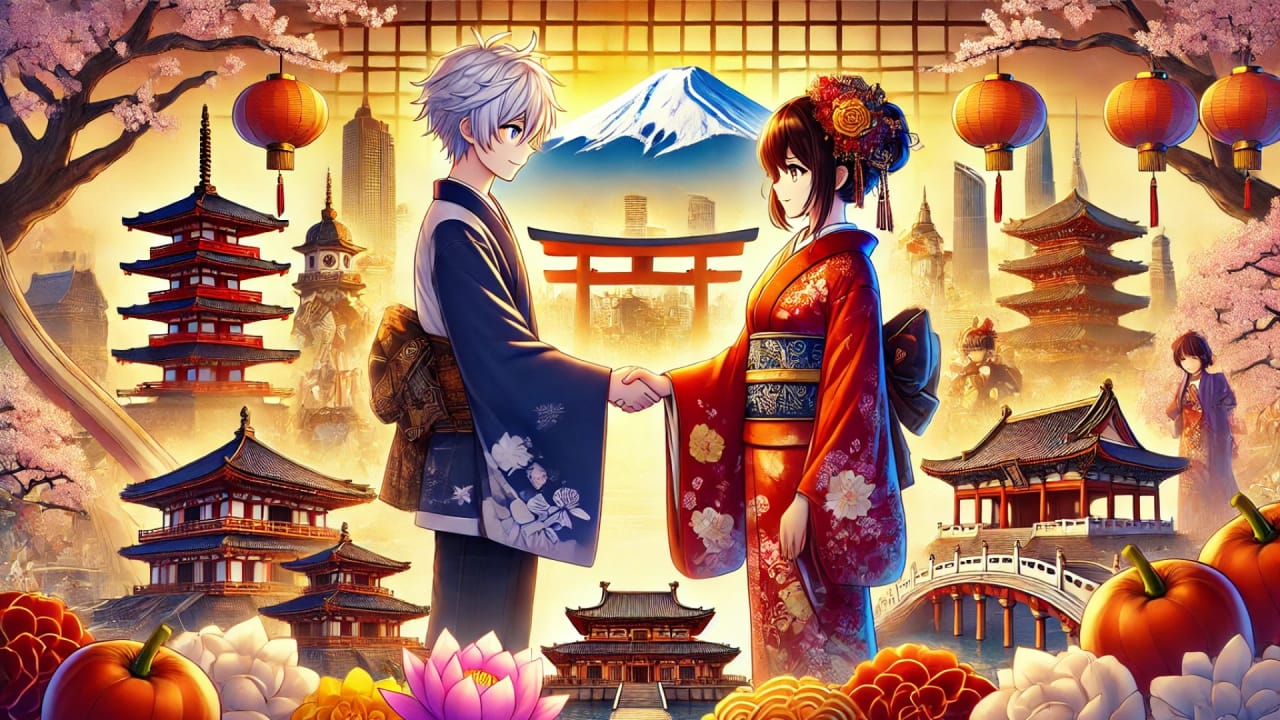 © DepthAura
 The last quarter of 2024 brought news that has sparked enthusiasm in the otaku community: Japan and China reached ten key agreements to strengthen cultural ties, with a special focus on the joint production of audiovisual content. Among the standout measures is the push to develop anime, live-action series, and documentaries cooperatively, with the promise of clearing regulatory hurdles and promoting a safer environment for creators in both countries.
An expanding market that benefits everyone
For Japan, collaborating with one of the largest markets in the world is a winning bet. With the agreement, productions bearing the Japan-China seal will not be limited by the strict foreign film quota in Chinese cinemas, opening the door to stronger earnings for Japanese production companies. Examples such as the success of Detective Conan: Black Iron Submarine ($22.9 million at the box office) and The First Slam Dunk ($93 million) are clear evidence of the immense economic potential the Chinese market offers the anime industry.
Challenges along the way
Not everything is so simple for Japanese studios. China's National Radio and Television Administration (NRTA) maintains a strict review process for any content seeking to premiere in its territory, which can take up to 50 days. This delay significantly affects the simultaneous distribution of anime, a crucial factor in the era of streaming and social media. In fact, industry executives point out that these delays can reduce potential licensing revenue by up to 80%, as many fans opt for piracy rather than risk reading spoilers online.
Greater stability and cultural evolution
The announced agreement does not only target the economic side. It also seeks to improve the working conditions of animators and creators involved in co-productions. For China, it is a step toward relaxing past restrictions, as happened with the late release of Studio Ghibli classics such as My Neighbor Totoro (2018) and Spirited Away (2019), which had been blocked for years.
On Japan's side, this alliance promises higher income for artists and technicians, who have long struggled against low wages. According to a 2024 report, Japanese animators earn an average of 1,111 yen per hour ($7), an alarming figure given the growing international demand. The possibility of producing series and films with mixed teams from both nations could raise the quality of the works and bring tangible relief to the pockets of those who bring our favorite characters to life.
A future full of shared projects
The outlook for this collaboration invites us to imagine unprecedented universes, combining the artistic vision of two cultures passionate about animation. In a scenario where both the quantity and quality of projects seem destined to grow, fans around the world eagerly await those stories that will draw on the shared experience and creativity between Japan and China. A horizon of possibilities opens up where the hopes for expansion, stability, and recognition could finally converge in productions that captivate mass audiences and offer creators a well-deserved space for growth.
0 comments
Sign in to leave a comment
Tell everyone what you think about this story.
No comments yet. Be the first.
Keep reading

Egao no Taenai Shokuba desu: The anime that portrays the chaotic world of manga now has its first trailer
Javier Fernández · 28 February 2025

Fire Force Season 3: Release Date, Trailer, and Exclusive Details
Juan Castillo · 27 February 2025

Dragon Ball Evolution: The Disaster That Revived the Legend
Juan Castillo · 26 February 2025