AI used to make porn of donghua characters and 7 end up convicted
A group sold packs of AI-generated images featuring characters from Chinese series. A fan reported them and police recovered 130,000 images.
 Juan Castillo Published:
Chinese courts have convicted seven people for using artificial intelligence to generate pornographic images of donghua characters and selling them in fan groups. The case began with a fan's report in the city of Jinhua, Zhejiang province, and ended with sentences ranging from eight months to two years in prison, all suspended.
The complainant, a man surnamed Xu, bought a pack of images for 10 yuan in a fan group in December 2025. He expected illustrations of a character he had followed for a decade. What he received was a compressed file full of AI-generated pornography.
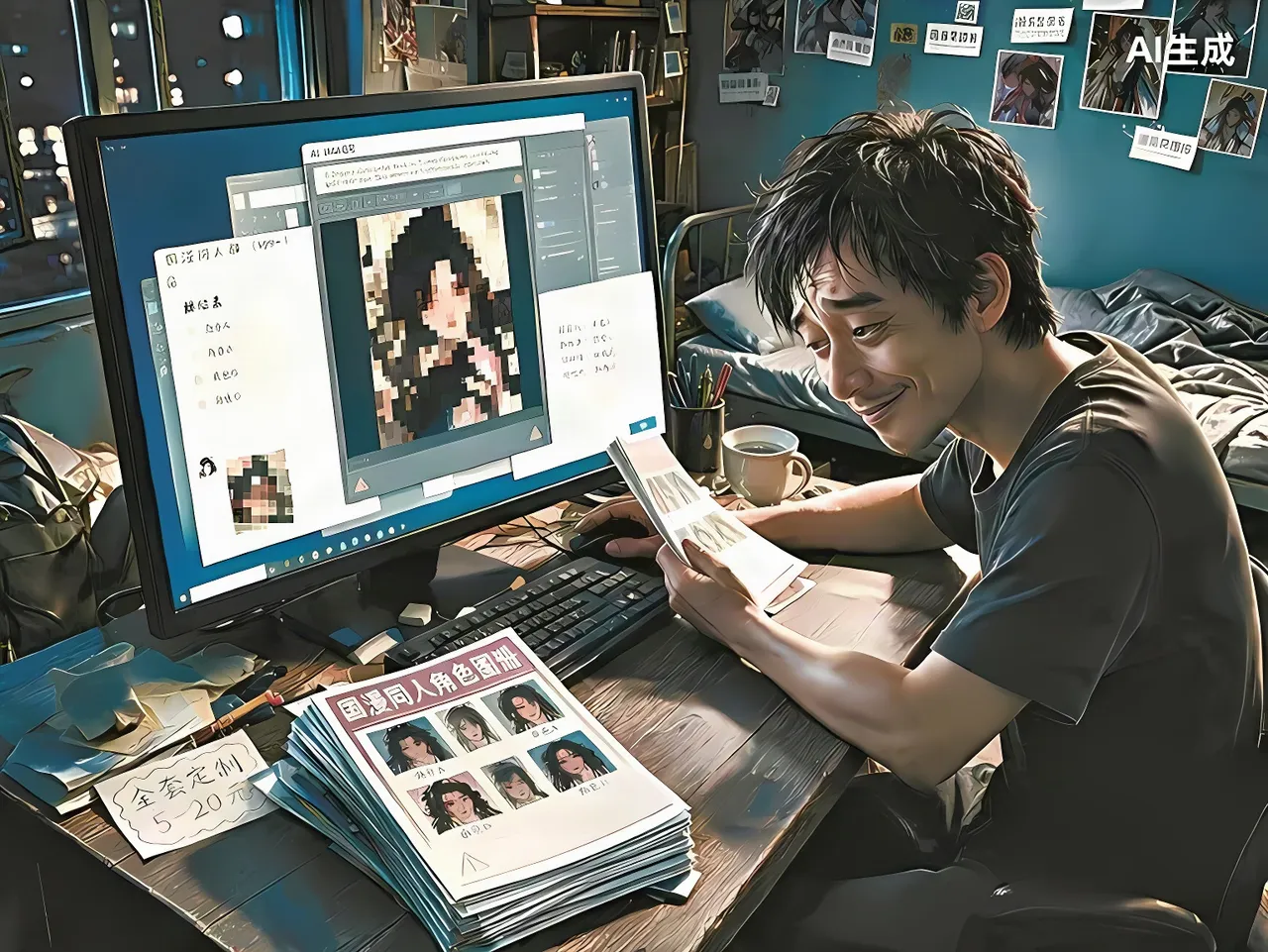
Behind the sale was Chen, a young man born after 2000 who previously worked as a waiter. According to information released by the prosecution, he found online tutorials for generating pornographic images with AI and saw a way to make money without knowing how to draw. He only needed a computer, an image generation program, and English keywords to bypass platform filters.
From waiter to admin of dozens of fan groups
Chen worked full-time producing and selling these images. He came to control dozens of groups with names that included terms like guoman —the shortened way of referring to Chinese animation— or "character exchange." Inside those spaces he organized votes so members could choose which character they wanted to see "transformed," and then generated, filtered, and adjusted the images until he created themed packs.
Prices ranged from 5 to 20 yuan per pack. He also ran crowdfunding campaigns and took custom orders. To keep platforms from detecting the content, he wrote the generator prompts in English and labeled the files with unremarkable names.
Xu's report came on January 19, 2026. He provided chat screenshots, the payment receipt, and the file he had purchased. From there, police identified Chen and discovered he was not acting alone: six other people used the same AI method to produce and sell pornography of Chinese animation characters.
130,000 images and a trail impossible to erase
The investigation estimates the group sold more than 130,000 images in just over a year, with profits of around 160,000 yuan. Chen had deleted several groups and others were shut down by platforms, which in principle erased the histories. But the data did not disappear.
Officers extracted and compared integrity values from the hard drives, phones, and memory cards of those arrested to avoid contaminating the evidence. They recovered deleted conversations, compressed files, and generation logs. On the computers they found folders organized by character name, date, and price, with final images, rejects, and text documents containing the English prompts used to bypass filters.
Screenshots of the group votes also appeared: who chose each character and who participated in each crowdfunding campaign. The prosecution cross-referenced that information with messaging platform records and the files found on the devices.
The case raised a legal problem: in traditional crimes of producing pornographic material, the person draws or records. Here everything was generated by AI. The prosecution resolved the issue by focusing on the money. The seven defendants collected payments using the same methods, so investigators traced the transactions and looked for amounts matching the pack prices: 5, 10, or 15 yuan. They then discarded movements unrelated to the sales.
Suspended sentences and a debate about AI
On August 21, the Wucheng district prosecution office in Jinhua filed charges against the seven involved. On October 26, the court convicted them of producing, copying, selling, and distributing pornographic material for profit. The sentences range from eight months to two years in prison, all suspended because they had no prior record, returned the money obtained, and admitted the facts.
The prosecutor on the case summed it up with a phrase quoted by local media: "Technology is neutral, but defining the prompts, filtering the results, packaging them, and selling them has never been."
The case leaves an uncomfortable question for fan communities: where is the line between doujin and crime when AI makes it possible to produce thousands of images in days? The answer, at least in this court, is already written.
What do you think about Chinese courts treating this case as a traditional pornography crime? I'll read you in the comments.
Sources
0 comments
Sign in to leave a comment
Tell everyone what you think about this story.
No comments yet. Be the first.
Keep reading

Being a streamer is now the number one dream of Japanese children, but it disappears in high school
Staff Donotaku · 1 April 2026

Cosplay photos and AI: how to recognize and report impersonation
Staff Donotaku · 30 March 2026
Sony develops Protective AI to stop AI from stealing Studio Ghibli
Staff Donotaku · 19 March 2026