Anime
40 of 30,598 titles · Page 497
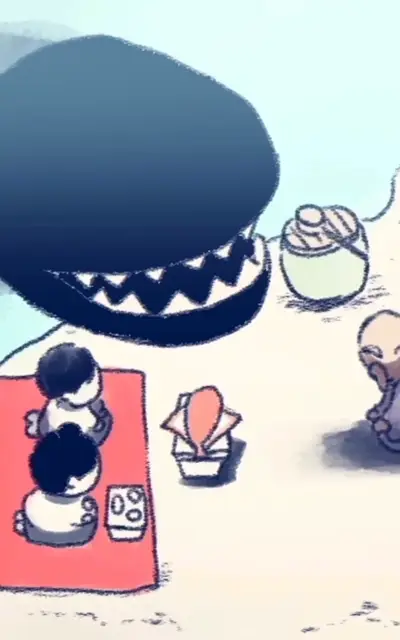
The wife of the Goliath fish
In a remote coastal village, a young woman named Eri lives a quiet life, helping her grandmother with the family's fishing business. One day, she discovers a mysterious, colossal fish trapped in a net, its scales shimmering with an otherworldly light. Instead of releasing it, she feels an inexplicable pull to care for the creature, naming it and secretly tending to it in a hidden cove. As Eri's bond with the giant fish deepens, she begins to experience strange visions and a growing sense of isolation from the villagers, who grow suspicious of her odd behavior. The fish, which seems to possess a consciousness of its own, demands more of her attention, blurring the line between devotion and o
The wife of the Goliath fish
Movie · 1 ep. · 2016

shintou messatu
In a world where emotions are suppressed, a young woman named Akane lives a monotonous life devoid of feeling. She works at a facility that erases memories, a job that reflects the society she inhabits. One day, she encounters a mysterious man who seems immune to the emotional suppression, sparking a curiosity within her. As Akane begins to question the world around her, she discovers the truth behind the memory erasure and the cost of a life without emotions. Her journey forces her to confront her own suppressed feelings and the consequences of a society that has traded passion for peace.
shintou messatu
Movie · 1 ep. · 2017

so near yet so far
A young woman lives alone in a small apartment, her days marked by quiet routines and a sense of solitude. She often gazes at the window of a neighboring building, where a man she has never met goes about his own life. Their worlds are separated by a narrow gap, yet they remain strangers, each unaware of the other's presence. One day, a chance event brings them closer, forcing them to confront the distance between them. As they navigate this unexpected connection, they must decide whether to bridge the gap or remain in their separate spaces.
so near yet so far
Movie · 1 ep. · 2016
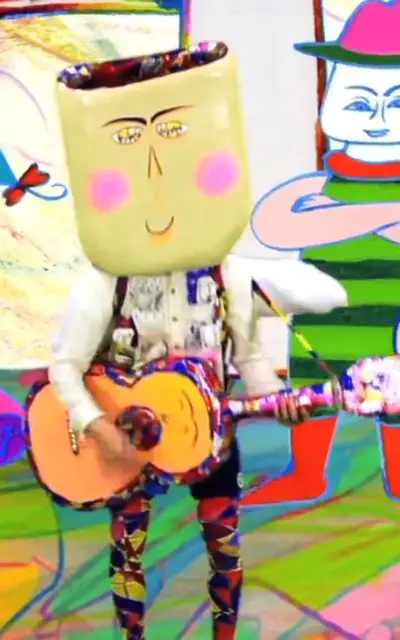
Yokosobokudesu selection
A young boy finds himself in a strange, colorless room where a mysterious girl appears. She begins to sing, and her voice transforms the space around them into vibrant, shifting landscapes. The boy is drawn into this musical world, where reality and imagination blend together. As the girl's song continues, the boy's own emotions and memories start to surface, intertwining with the melody. The boundaries between their identities blur, leading to a psychological exploration of connection and self-discovery. The music becomes a conduit for understanding and transformation.
Yokosobokudesu selection
Movie · 1 ep. · 2013
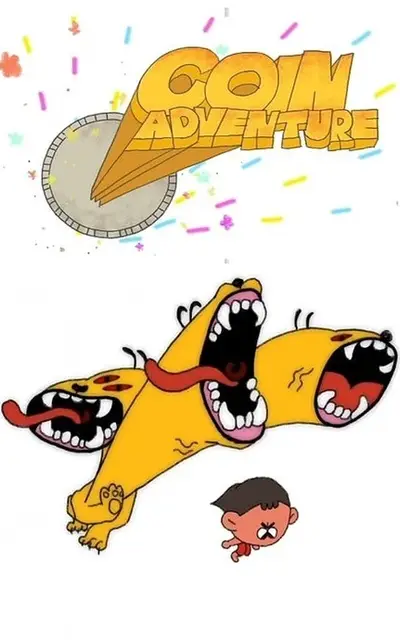
COIN ADVENTURE
In a world where coins serve as both currency and identity, a young boy named Toto embarks on a journey to find a legendary treasure. He teams up with a mysterious girl named Coin, who has the ability to communicate with coins. Together, they travel through vibrant landscapes and encounter peculiar characters, each with their own stories tied to the coins they carry. As they delve deeper into their adventure, they discover that the coins hold more than just monetary value—they contain memories and emotions. Toto and Coin must confront the psychological weight of these memories, which begin to blur the line between reality and illusion. Their quest becomes a test of trust and self-discovery,
COIN ADVENTURE
Movie · 1 ep. · 2021
Kazoeuta
A young girl walks through a quiet town, counting everything she sees—birds, clouds, flowers, and the faces of people around her. Each number she recites becomes a gentle melody that blends with the everyday sounds of the neighborhood. As she continues her counting, the world around her begins to shift subtly. The ordinary scenes transform into a dreamlike sequence where memories and imagination intertwine, revealing the hidden stories behind each counted object.
Kazoeuta
Special · 1 ep. · 2008

Xiong Chumo: Conglin Zhongdongyuan 2
Bald strongman Logger Vick arrives in the forest with a chainsaw, ready to cut down all the trees. Two bears, Briar and Bramble, live in that forest and are determined to protect their home. Logger Vick's relentless logging threatens the entire ecosystem, forcing the bears to intervene. Briar and Bramble use clever tricks and teamwork to sabotage Logger Vick's plans, turning each confrontation into a comedic battle of wits. Despite Logger Vick's persistence, the bears always find a way to outsmart him and preserve their forest.
Xiong Chumo: Conglin Zhongdongyuan 2
Short series · 52 ep. · 2014
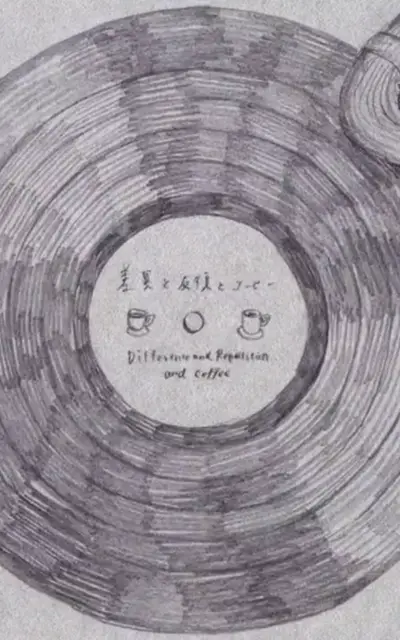
Difference and Repetition and Coffee
Difference and Repetition and Coffee
Movie · 1 ep. · 2020
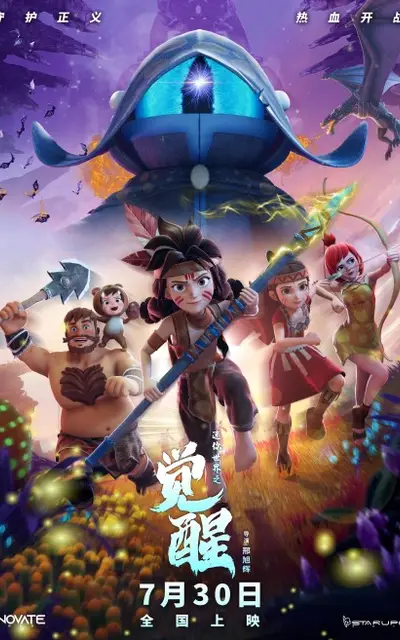
Mini World: Powers Awaken
Kaká is the son of a legendary hero, but an evil force grows inside him day by day, threatening to destroy the world. As the darkness within him becomes more powerful, he must find a way to control it before it consumes him entirely. A group of young heroes bands together to help Kaká on an epic journey. They must confront the rising evil and prevent the catastrophe that looms over their world, facing dangerous challenges and uncovering secrets along the way.
Mini World: Powers Awaken
Movie · 1 ep. · 2022

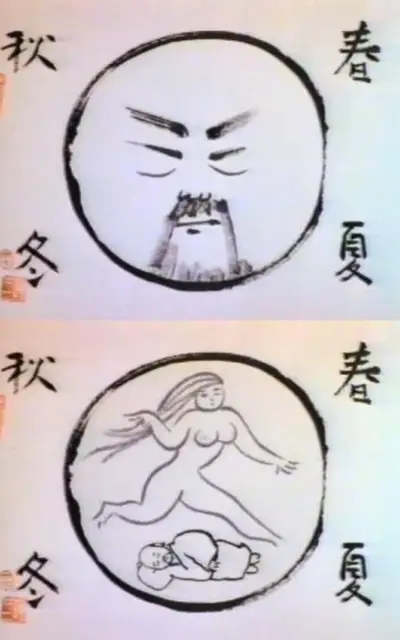
Renzou Kinoshita's Self-Portrait
Renzou Kinoshita, a renowned Japanese animator, creates a short animated self-portrait that reflects his personal style and artistic identity. The film serves as his response to a challenge posed to international animation leaders to produce animated self-portraits. Through a blend of traditional Japanese artistic elements and his own unique animation techniques, Kinoshita explores his own image and creative process. The result is a brief, introspective piece that offers a glimpse into the mind of the artist.
Renzou Kinoshita's Self-Portrait
Special · 1 ep. · 1988

Hitoribocchi no Uta
Kuni Kawachi's song 'Hitoribocchi no Uta' is brought to life through a music video produced for NHK's Minna no Uta program. The visual accompaniment captures the essence of the track, which reflects on themes of solitude and introspection. The video presents a series of evocative images that complement the song's melancholic yet contemplative mood. It serves as a brief but poignant artistic expression, blending music and animation to convey the emotional weight of the lyrics.
Hitoribocchi no Uta
Special · 1 ep. · 1984
Kokoro wa Hallelujah
In a world where music and emotion are deeply intertwined, a young girl named Hallelujah possesses a heart full of joy and a voice that can bring people together. She lives in a vibrant community where everyone shares a love for music and friendship, and her cheerful spirit touches those around her. However, a mysterious force threatens to disrupt the harmony of her world, casting a shadow over the joy that music brings. Hallelujah must find a way to protect the bonds of love and friendship that make her world special, using the power of her heart and her song.
Kokoro wa Hallelujah
Special · 1 ep. · 1998
Dare mo Isoganai Mura
In a quiet village where no one is in a hurry, life unfolds at a gentle pace. The music video for Ryouko Moriyama's song "Dare mo Isoganai Mura" captures this serene atmosphere through its visuals, showing a peaceful community where time seems to stand still. The animation accompanies the song's melody, inviting viewers to experience the calmness of a place untouched by rush. The video was featured on NHK's Minna no Uta program, a long-running segment that showcases animated musical pieces. Through simple yet evocative imagery, it depicts the daily routines of villagers who move without urgency, from farmers tending their fields to children playing by the river. The absence of haste becomes
Dare mo Isoganai Mura
Special · 1 ep. · 1978
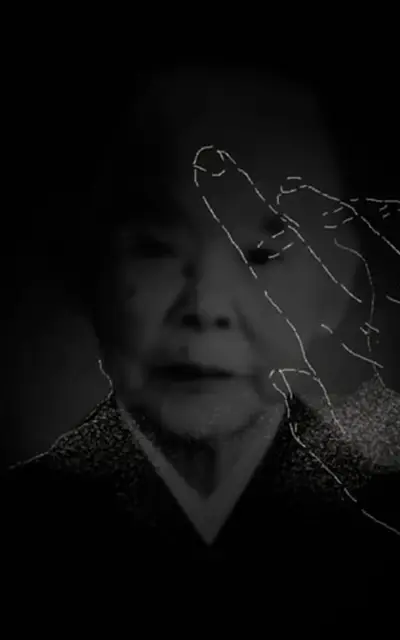
Representation of Light
A young person grows up with only a portrait of their deceased great-grandmother on the wall. Seeking to understand and connect with this distant relative, they decide to photograph and develop pictures of her at two different ages, hoping to bring her memory to life. The process of capturing and developing these images becomes a personal journey into memory and identity. As the protagonist works with the photographs, they confront the elusive nature of remembrance and the ways we try to hold onto those who are gone.
Representation of Light
Movie · 1 ep. · 2020
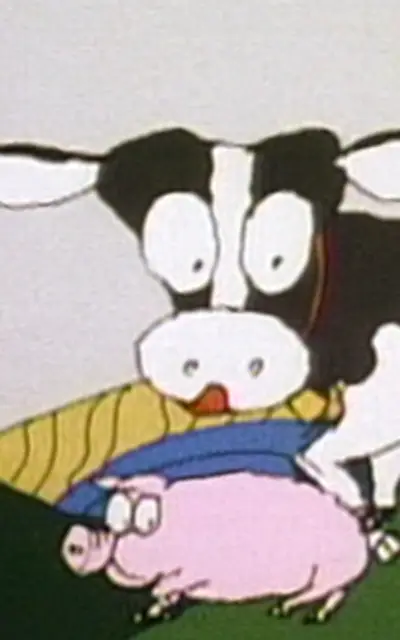
Kobuta no Shippo
A music video created for the song "Kobuta no Shippo" by the band Sugar. The video was featured on the NHK program Minna no Uta, a long-running show that broadcasts short animated clips set to music. The animation brings the song's playful lyrics to life, following a simple and charming story centered around a piglet's tail. Through colorful and whimsical visuals, the video captures the lighthearted spirit of the music, creating a memorable experience for viewers. The short format and catchy tune make it a delightful piece of animated entertainment that reflects the creativity of 1980s Japanese music television.
Kobuta no Shippo
Special · 1 ep. · 1986
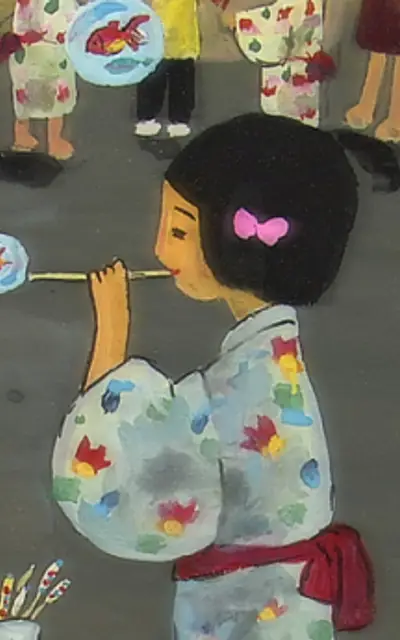
Furusato
A young girl travels through the Japanese countryside, observing scenes of rural life and nature. She visits a small village where she sees children playing, farmers working in the fields, and elderly people enjoying the peace of their hometown. As she continues her journey, she reflects on the beauty of the changing seasons and the simple joys of everyday life. The video captures a sense of nostalgia and connection to one's roots, emphasizing the importance of remembering where you come from.
Furusato
Special · 1 ep. · 2003
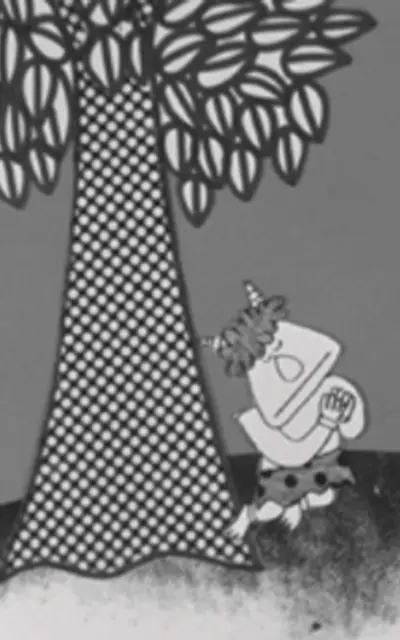
Oni no Negai
A music video for the song "Oni no Negai" by Masanori Tomotake and the Misuzu Jidou Gasshoudan. The piece was featured on NHK's Minna no Uta program, a long-running segment that broadcasts short animated clips set to music. The video brings the song's lyrics to life through simple, folk-art-inspired animation. It tells the story of a lonely oni, a traditional Japanese ogre, who wishes for companionship and a place to belong. Through his journey, the oni encounters various characters and situations that explore themes of friendship and acceptance.
Oni no Negai
Special · 1 ep. · 1969
Heppushon
Jun Tamaki performs the lively song "Heppushon" in a short music video produced for NHK's long-running program Minna no Uta. The segment combines the catchy melody with simple, colorful animation that brings the lyrics to life. The visuals focus on playful imagery, including rhythmic movements and whimsical scenes that match the song's cheerful tone. The video follows the structure of a typical Minna no Uta feature, where music and animation work together to create a brief but engaging experience. The animation style is straightforward, emphasizing movement and expression over complex detail. As the song progresses, the imagery shifts to reflect different moments in the lyrics, maintaining
Heppushon
Special · 1 ep. · 1981
A Sou ka!
A music video brings to life the song "A Sou ka!" performed by Kunihiko Tamai and Akane Izumi. The visuals accompany the cheerful and nostalgic tune, creating a short audiovisual experience that blends music and animation in a harmonious way. The piece was originally featured on NHK's Minna no Uta program, a long-running series that showcases animated music videos for a wide audience. Through its simple yet expressive animation and heartfelt melody, the video captures a moment of reflection and connection, inviting viewers to immerse themselves in the rhythm and emotion of the song. The characters and scenes depicted in the video complement the lyrics, evoking a sense of warmth and familiari
A Sou ka!
Special · 1 ep. · 1986

TOFU
A music video for the song "TOFU" by Yoshi Ikuzou, featured on NHK's Minna no Uta program. The video was animated by Maigodou, bringing the song's lyrics and melody to life through visual storytelling. The short follows the simple yet evocative theme of tofu, capturing its cultural and emotional significance in a whimsical and artistic manner. As the song plays, the animation explores the everyday moments and subtle beauty associated with this traditional food.
TOFU
Special · 1 ep. · 2004

Tomoya!
Tomoya is a young man struggling with the weight of his own thoughts. Trapped in a cycle of self-doubt and anxiety, he finds it difficult to connect with the world around him. His days blur together as he navigates a reality that feels increasingly distant and overwhelming. As Tomoya's internal turmoil intensifies, he begins to lose touch with what is real. The line between his perceptions and the outside world becomes blurred, forcing him to confront the darkest corners of his mind. He must find a way to break free from his psychological prison before it consumes him entirely.
Tomoya!
Movie · 1 ep. · 2023
Yakiguri
A music video for the song "Yakiguri" by Fusako Amachi and the NHK Tokyo Jidou Gasshoudan was featured on NHK's Minna no Uta program. The short film brings the song to life through animation, showcasing the performance of the children's choir and the melody of the piece. The video is now considered lost media, with no known surviving copies available to the public. Its disappearance has made it a subject of interest among anime historians and collectors, who seek to uncover any remaining traces of this early example of animated music videos in Japan.
Yakiguri
Special · 1 ep. · 1965
Qui Kwai Mani Mani
A music video for the song "Qui Kwai Mani Mani" by the Tokyo Shounen Shoujo Gasshoutai was created for NHK's Minna no Uta program. The short film features the children's choir performing the catchy tune in a visual format typical of the show's segments. The video is now considered lost media, with no known copies surviving to the present day. Its disappearance has made it a subject of interest among media preservationists and fans of early Japanese television music programming.
Qui Kwai Mani Mani
Special · 1 ep. · 1961

Sanbiki no Hachi
In 1961, the Japanese public broadcaster NHK aired a short music video for the song "Sanbiki no Hachi" by the vocal group Bonny Jacks as part of its Minna no Uta program. This program was known for showcasing animated or live-action clips set to popular songs, often featuring simple, charming visuals that complemented the music. The video likely depicted the three bees mentioned in the song's title, following their playful adventures in a bright, minimalistic style typical of early 1960s television animation. Today, "Sanbiki no Hachi" is considered lost media, as no known copies of the video have survived. The original broadcast materials have been lost or destroyed, leaving only the song i
Sanbiki no Hachi
Special · 1 ep. · 1961
Tom Pillibi
Tom Pillibi is a music video created for the song "Tom Pillibi" by the band Dark Ducks. It was broadcast as part of NHK's Minna no Uta program, a popular segment that aired animated clips set to music during the early 1960s. The video featured a simple, colorful animation style typical of the era, accompanying the upbeat folk-inspired tune. The song tells the story of a young man named Tom Pillibi who travels the world, encountering various adventures and characters. The animated visuals likely depicted his journeys, though specific details remain uncertain. The video was produced by NHK and aired only once, after which it disappeared from archives. Today, Tom Pillibi is considered lost me
Tom Pillibi
Special · 1 ep. · 1961
Mane
Toshie Kusunoki performs the song "Mane" in a short music video produced for NHK's Minna no Uta program. The piece features a simple visual accompaniment that highlights the melody and lyrics, typical of the program's early animated segments. The video was broadcast as part of a series of musical shorts aimed at a wide audience. The original footage is now considered lost media, with no known surviving copies. Despite its disappearance, the song itself remains remembered through audio recordings and references in historical archives.
Mane
Special · 1 ep. · 1961

Nihongo no Okeiko
In 1961, NHK's Minna no Uta program aired a music video for the song "Nihongo no Okeiko" performed by Toshie Kusunoki. The short film featured the singer guiding viewers through the basics of the Japanese language using a catchy melody and simple visuals. It was designed as an educational tool to help children and learners practice pronunciation and vocabulary. The video, produced by NHK, was one of the earliest examples of animated music content on Japanese television. However, due to the fragile nature of early broadcasting materials and the lack of preservation efforts, no copies of the original footage are known to exist today. It is considered lost media, with only references and descr
Nihongo no Okeiko
Special · 1 ep. · 1961
Pinocchio no Uta
A music video for the song "Pinocchio no Uta" by Toshie Kusunoki, this short was featured on NHK's Minna no Uta program. The video brings the classic tale of Pinocchio to life through animation and music, capturing the story of a wooden puppet who dreams of becoming a real boy. Despite its broadcast, the video is now considered lost media, with no known surviving copies. Its disappearance has turned it into a piece of television history that remains elusive to collectors and researchers alike.
Pinocchio no Uta
Special · 1 ep. · 1962
Ice Cream no Uta
A music video for the song "Ice Cream no Uta" by Teruo Hata and Fusako Amachi, created for the NHK program Minna no Uta. The short animation brings the cheerful children's song to life, featuring colorful visuals that accompany the melody. The video is now considered lost media, with no known surviving copies. Its disappearance has made it a subject of interest among animation historians and fans of early Japanese television, who continue to search for any remaining footage or documentation of this rare piece of broadcast history.
Ice Cream no Uta
Special · 1 ep. · 1962

Ichi, Ni, San, ...
A music video for the song "Ichi, Ni, San, ..." performed by Toshie Kusunoki, this short was featured on NHK's Minna no Uta program. The program, which began in 1961, is known for showcasing short musical segments with accompanying visuals, often aimed at children and families. The song itself is a simple counting tune, likely designed to teach numbers in a fun and engaging way through repetition and melody. The video is now considered lost media, with no known surviving copies in any archive or private collection. Its exact content and visuals remain unknown to the public, making it a subject of interest among media preservationists and anime historians. The loss is attributed to the era's
Ichi, Ni, San, ...
Special · 1 ep. · 1962
Karasu no Uta
A music video for the folk song "Karasu no Uta" by Teruo Hata and Fusako Amachi, this short was created for NHK's Minna no Uta program. The visual piece likely depicted scenes inspired by the song's lyrics, which tell a story about crows and their daily life. It was broadcast as part of the program's regular rotation of animated and live-action music videos. However, the original video is now considered lost media. No known copies of the animation survive, and its exact content remains unknown. The only evidence of its existence comes from historical broadcast logs and references in archives, leaving it as a curious footnote in early Japanese television history.
Karasu no Uta
Special · 1 ep. · 1962
Hige no Oisha-san
A music video for the song "Hige no Oisha-san" by the group Bonny Jacks, created for the NHK program Minna no Uta. The short film accompanies the cheerful tune with animated visuals, featuring a doctor with a beard as its central character. It was broadcast as part of the long-running series that showcases songs with accompanying animation or live-action footage. The video is now considered lost media, with no known surviving copies in any archive or private collection. This status makes it a rare piece of Japanese television history, as the original broadcast material has not been preserved. The song itself remains known through audio recordings, but the visual component has vanished over
Hige no Oisha-san
Special · 1 ep. · 1963
Aitsu
In 1970, the Japanese band Duke Aces recorded the song "Aitsu" for the NHK program Minna no Uta, a long-running segment that aired short musical pieces with accompanying visuals. The song was accompanied by an animated music video, created specifically for the show's broadcast. The video featured the band's performance and likely included simple, colorful animation typical of the era. The music video for "Aitsu" was broadcast on NHK, but no known copies of it survive today. It is considered lost media, with no recordings, stills, or detailed descriptions available to confirm its exact content or style. The song itself remains known through audio recordings, but the visual component has vani
Aitsu
Special · 1 ep. · 1970
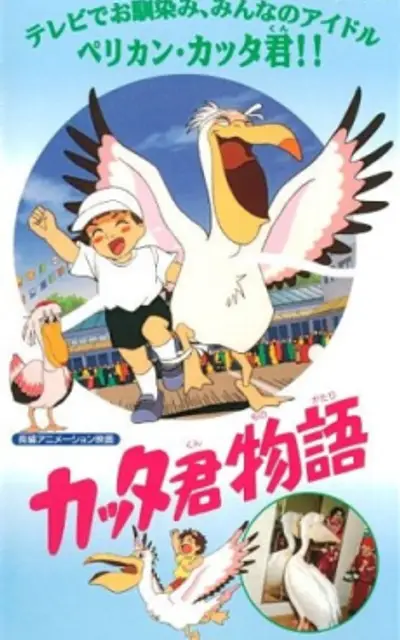
Cutta-kun Monogatari
Katta-kun, a beloved real-life pelican who made his home in Tokiwa Park in Ube, forms a deep bond with a young boy named Sho. Sho's parents have traveled to the Middle East for work, leaving him in the care of others. The pelican and the boy spend their days together, finding comfort in each other's company amidst Sho's loneliness. Their peaceful life is shattered when war breaks out in the Middle East, putting Sho's parents in grave danger. Determined to reunite his family, Sho decides to embark on a perilous journey across continents. Katta-kun, loyal and brave, refuses to let Sho go alone. Together, they set off on an extraordinary adventure to the war-torn region, facing unknown dangers
Cutta-kun Monogatari
Movie · 1 ep. · 1995
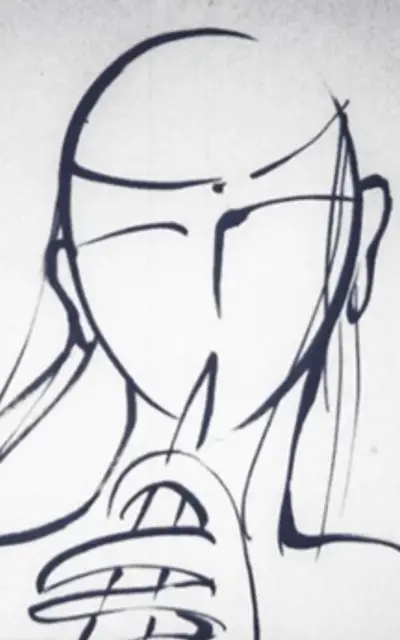
A Piper
A young boy lives in a quiet village at the foot of a mountain, where he tends to his daily chores and dreams of adventure. One day, he encounters a mysterious piper whose music seems to call out to unseen spirits. The piper leads him to a strange, glowing blossom that grows from a crater, a flower that holds a magical power. The boy becomes fascinated by the flower and the spirits that gather around it, but his curiosity draws him into a conflict between the natural world and those who seek to exploit the blossom's power. As the spirits grow restless, the boy must decide whether to protect the mysterious tree or let it fall into the wrong hands.
A Piper
Movie · 1 ep. · 1987
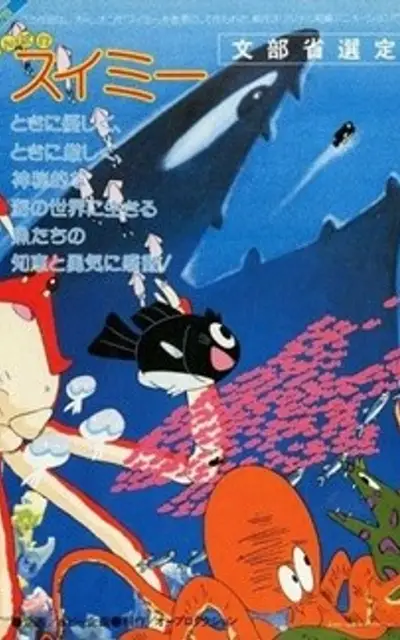
Ganbare Swimmy
Swimmy is a small black fish born into a school of red fish. He stands out from his companions and struggles to find his place among them. Despite his differences, he is determined to explore the ocean and face the challenges that come his way. Swimmy's journey is marked by constant danger as he is chased by a giant tuna and must evade the fearsome Great Octopus. Along the way, he encounters various sea creatures and learns to use his unique traits to survive. His adventures test his courage and wit, forcing him to adapt in a vast and unpredictable underwater world.
Ganbare Swimmy
Movie · 1 ep. · 1986