Battle Through the Heavens says goodbye with a 4.9: the bittersweet farewell of the anime that was a donghua flagship
The franchise ends nine years on air with its final movie amid complaints about the adaptation and an open debate on the role of AI in Chinese animation.
 Laura Martínez Published:
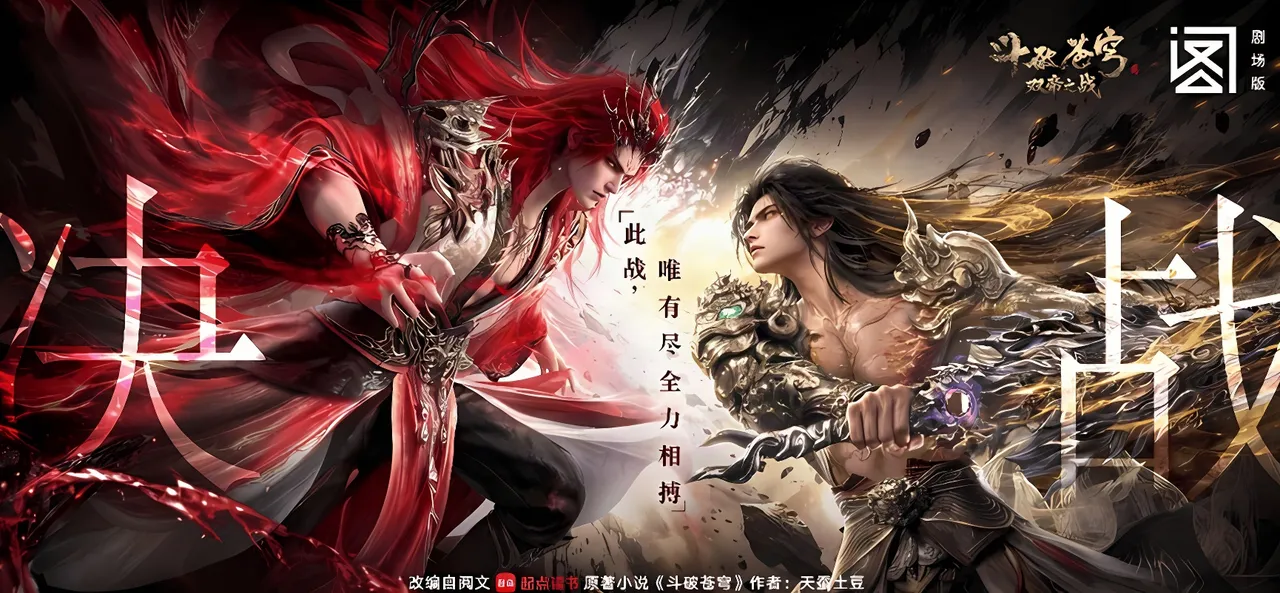
Battle Through the Heavens has said goodbye. After nine years on air, the annual Chinese animation series closes its story with the release of its movie The Battle of the Two Emperors, the definitive ending of one of the longest-running donghua franchises.
The ending comes, however, with a more bitter than sweet taste. While comments on video platforms filled with farewell messages, the score of the last season on Douban has stayed at 4.9 out of 10. Viewers have been complaining for two years about the adaptation of the final stretch and a production that has been losing steam.
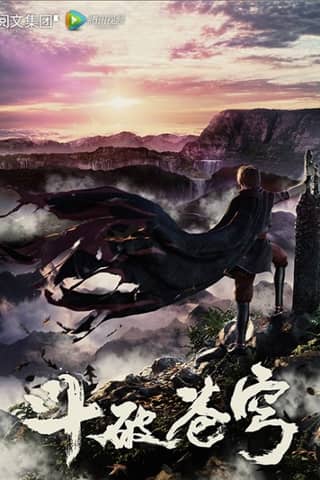
The contrast with what the franchise once was is huge. In 2021, the special Three Year Agreement surpassed one hundred million views in less than two hours and reached a 9.0 on Douban. That chapter was cited again and again as an example of the maturity of Chinese anime. Today that same story has been left at a 4.9. From a flagship of the industry to a case study on the limits of the annual broadcast model.
From the special to the continuous year: the model that changed everything
When Battle Through the Heavens started in 2017, the norm in Chinese animation was seasons of twelve or thirteen episodes a year. The bet was on concentrating the emotion in a specific climax and leaving the audience wanting more. Three Year Agreement was the peak of that logic: thirteen episodes building a single moment of catharsis.
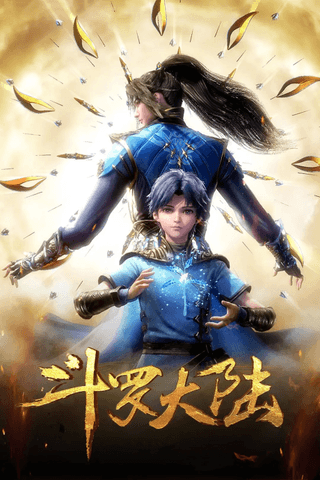
But the industry changed. Annual series began airing one episode per week, more than fifty a year, without pauses. Soul Land validated the model with 263 episodes between 2018 and 2023 and more than 520 million accumulated views. Having an annual series became a matter of prestige for platforms, and some came to demand that format even from works that did not have enough pull to sustain it.
The problem is twofold. On one hand, the male fantasy novels on which many of these series are based tend to repeat the same scheme of "leveling up and fighting" over and over. On the other, weekly production forces cuts in everything else. The result is compressed dialogue, fights resolved with light effects, and characters whose design changes from one season to another without much coherence.
More than 90 announced titles and the shadow of AI
The ending of Battle Through the Heavens coincides with the presentation of more than 90 titles by four Chinese platforms. Among them are expected sequels like Cang Yuan Tu 3, Hua Jianghu: Bu Liang Ren 8, or Jian Lai 3, and new bets like Xian Ni, Tian Cai Ju Le Bu, or Shi Ri Zhong Yan. Different formats are also announced, like a collection of shorts based on San Ti.
In all these projects, artificial intelligence is already part of the process. According to the China Animation Development Report 2026, 90.3% of animation studios in the country use AI at some point in their work. The question hovering over the industry is whether it makes sense to keep adapting novels with traditional methods when an AI model can turn an entire book into video in a matter of days.
The answer repeated in the industry is that emotion remains human territory. The nuances of facial expression, the way a character conveys an internal change, or the choice of framing in an intense action scene are things that still depend on human decisions and hands. AI speeds up repetitive processes, but visual coherence, pacing, and emotion still need supervision.
The context data: the Chinese animation market grew 18.6% annually between 2020 and 2024, surpassing 300 billion yuan in 2024, with more than 580 million users of content for anime and manga fans. For platforms, a franchise capable of airing all year and keeping people hooked is still the most valuable asset.
Battle Through the Heavens has gone through every possible stage of donghua in nine years: the success of the special, the bet on annual broadcast, the wear of a very long story, and the controversy over an ending that does not convince everyone. Its farewell leaves a question that goes beyond this series: when AI can do everything faster, what will make an adaptation worth it? Tell me in the comments what you thought of the series' ending.
Sources
Titles mentioned
0 comments
Sign in to leave a comment
Tell everyone what you think about this story.
No comments yet. Be the first.
Keep reading
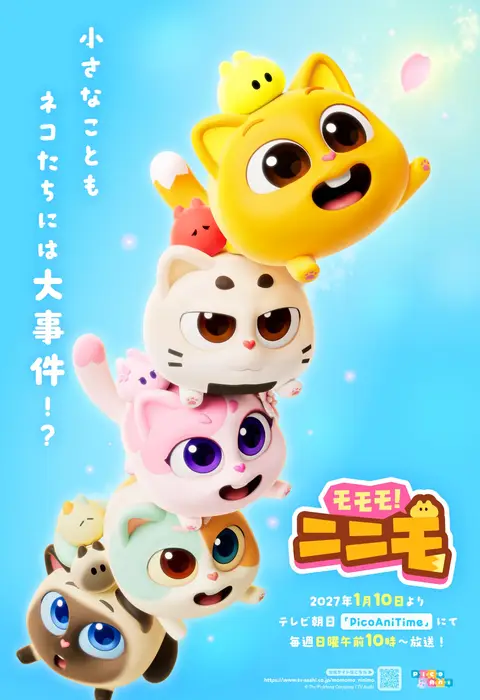
Short anime 'Momomo! Ninimo' premieres January 10 in Japan
Laura Martínez · 25 November 2026
Historie anime premieres January 8 with double episode and Mirai Moriyama narration
Javier Fernández · 24 November 2026

Detective Conan Movie 30 announces new information on December 2
Javier Fernández · 24 November 2026